To us, innovative design starts with personal connection, unique data and wild experimentation
A collaboration between RDL and NYC based, celebrity jewelry designer, McKenzie Liautaud inspired by the complex uniqueness of snowflakes.
View projectTwo science enabled consumer products, design thinking and data storytelling.
View projectUse the human genome as data to generate rich, complex patterns as unique and beautiful as the human iris.
View projectA concept for the adaptive design of web graphics using complimentary color algorithms.
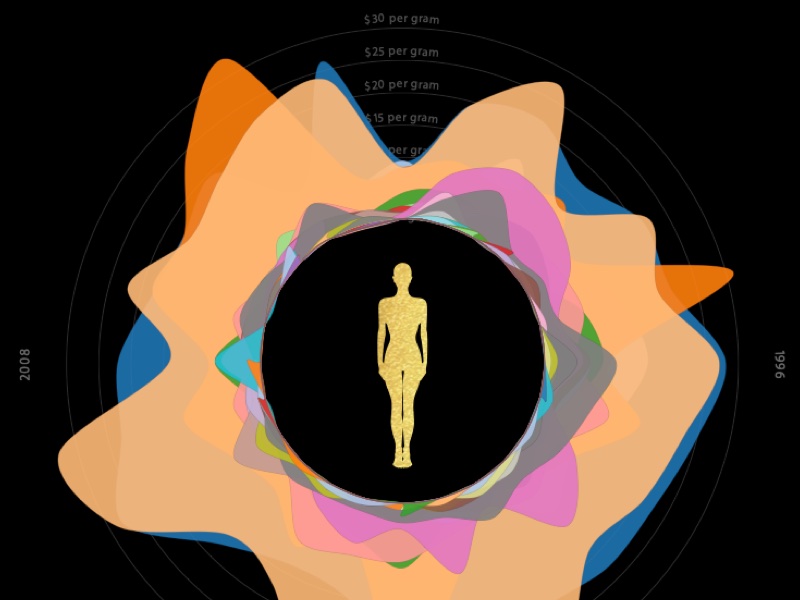
An educational and experimental data visualization provoking discourse on biology and human value.
An exploration of the data and design thinking that could inform the city's decision makers.

Principal Design Technologist
Kaza explores, documents and experiments with physical and digital design products influenced by science, nature, culture, behavior and continuous data. His domains of interest for design solutions include: fashion, sports, health, art and consumer electronics.
What's Kaza Reading
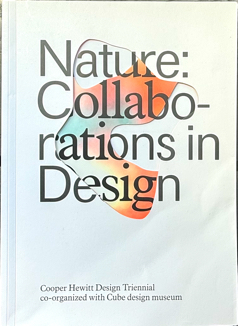
Nature: Collaborations in Design by Lipps, McQuaid, Condell, and Bertrand
Picked up on a recent NYC trip to the Cooper Hewitt Smithsonian National Design Museum. I can't think of a more timely book that matches my interest in design technology where nature is a guide and partner. The book has strong undertones of techno-anthropology in the context of design and art which is literally one of my favorite current topics of discussion.
Student Urban Designer
Orion is passionate about the innovation and impact of modern public transportation on the urban design and development of smart cities. His interests range from graphic, architectural and industrial design, to the technology and data insights that inform design decisions for cities.
What's Orion Reading
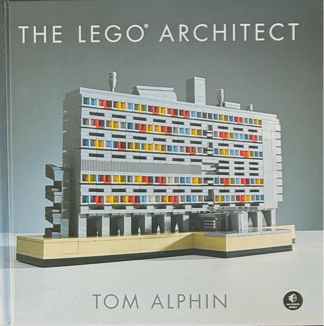
The Lego Architect by Tom Alphin
The creative potential of lego didn't occur to me until I saw the Towers of Tomorrow exhibit at Seattle's MOHAI in 2024. From that point on I've been energized by the idea that imagination combined with a child's toy could help anyone prototype the design of future cityscapes.
RDL’s process operates at the intersection of design and science. We address complex design problems by discovering if the solution is additive or subtractive. In the age of AI where advanced models generate, we curate.