Oura Ring 4 + Nike Mind 001
2026

Oura Ring + Nike Mind Experiment

Oura Ring + Nike Mind Experiment

Images copyright Nike, Inc and Ouraring, Inc

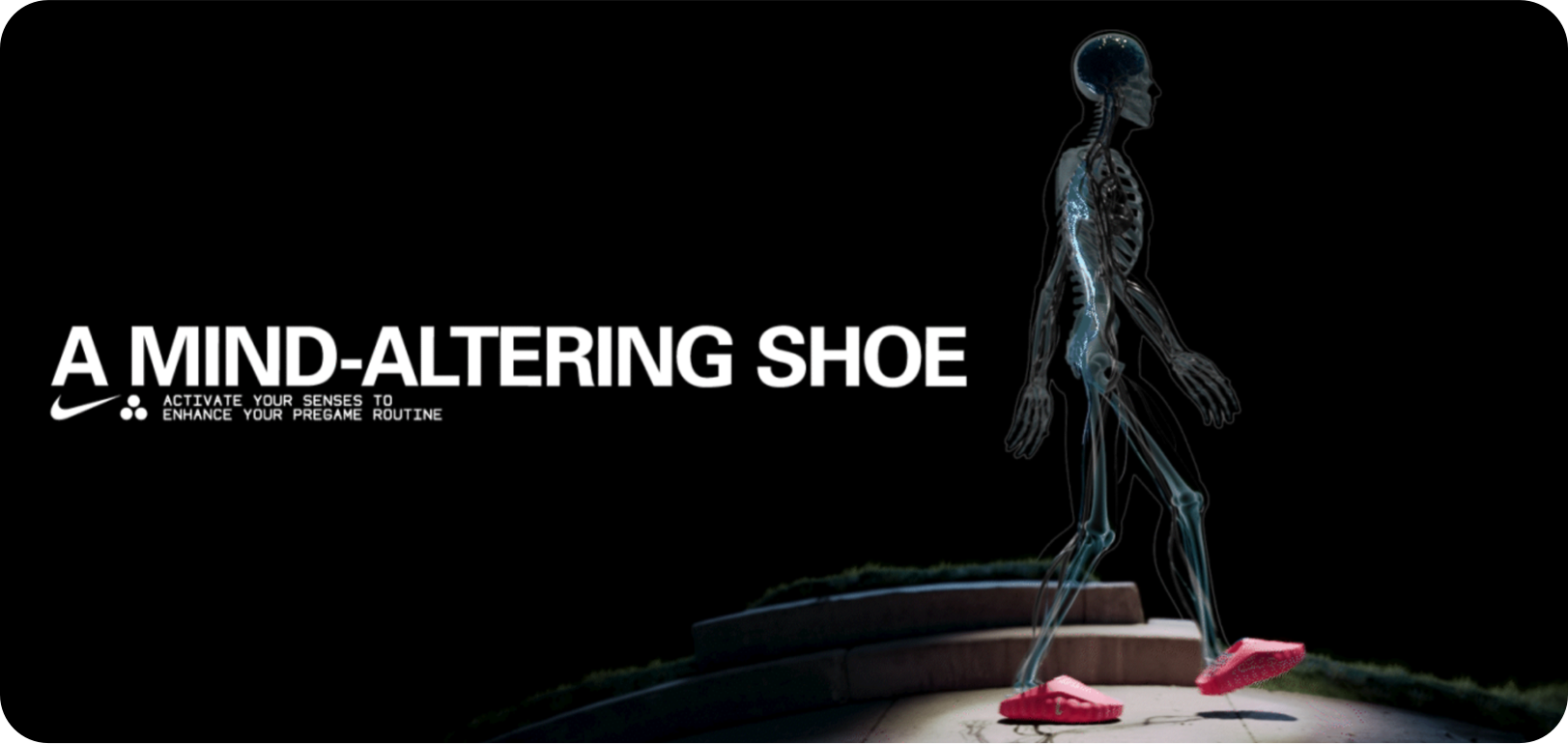
The Nike Mind 001 is the debut shoe (technically a slide) from the Mind Science Department, their neuroscience design lab. The engineering claim of this product is that it can help calm the mind of athletes pre-competition and aid in recovery post competition. These shoes have been sold out since launch possibly signaling a new trend towards real science embedded in consumer product design.

Image copyright Nike, Inc

Ideation

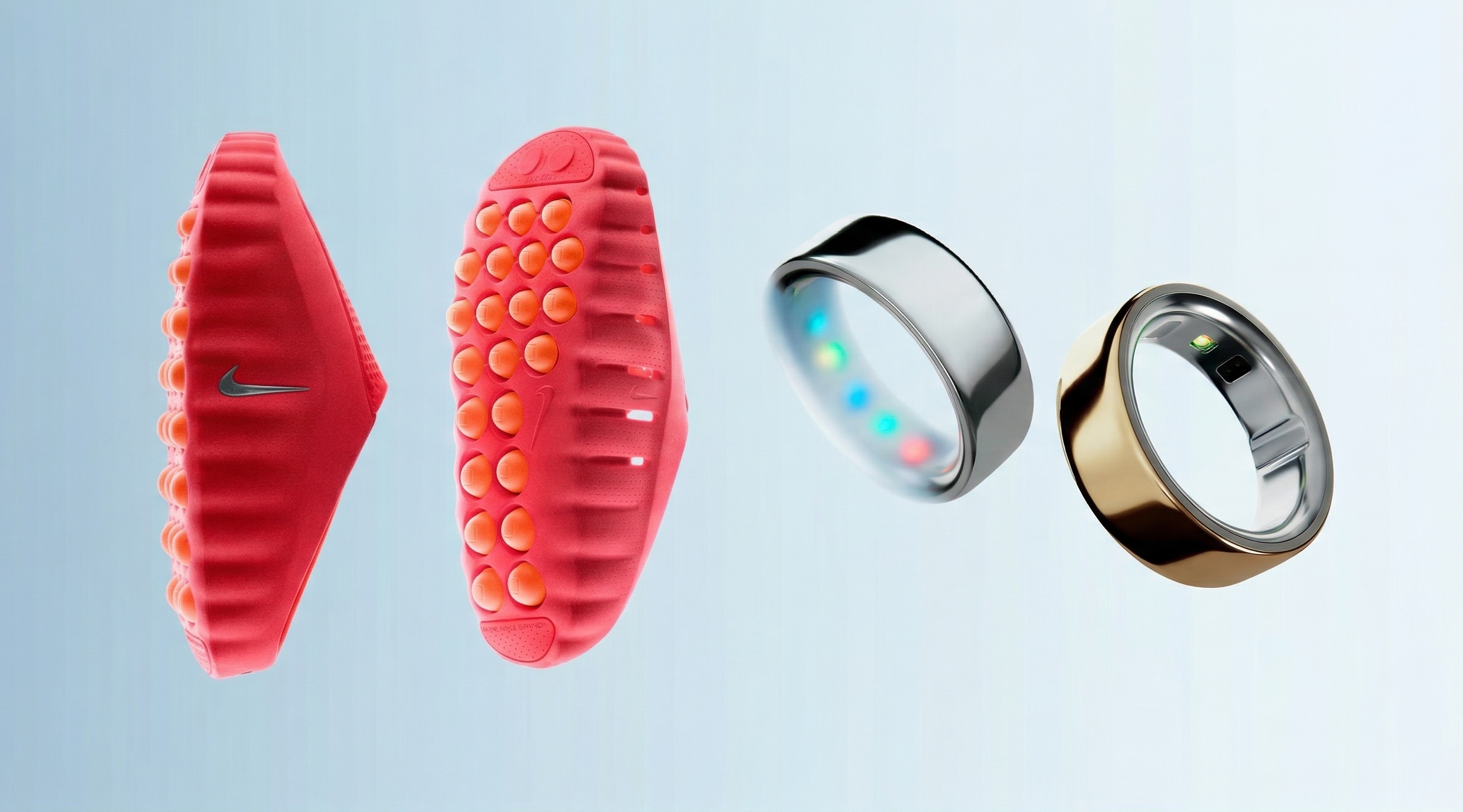
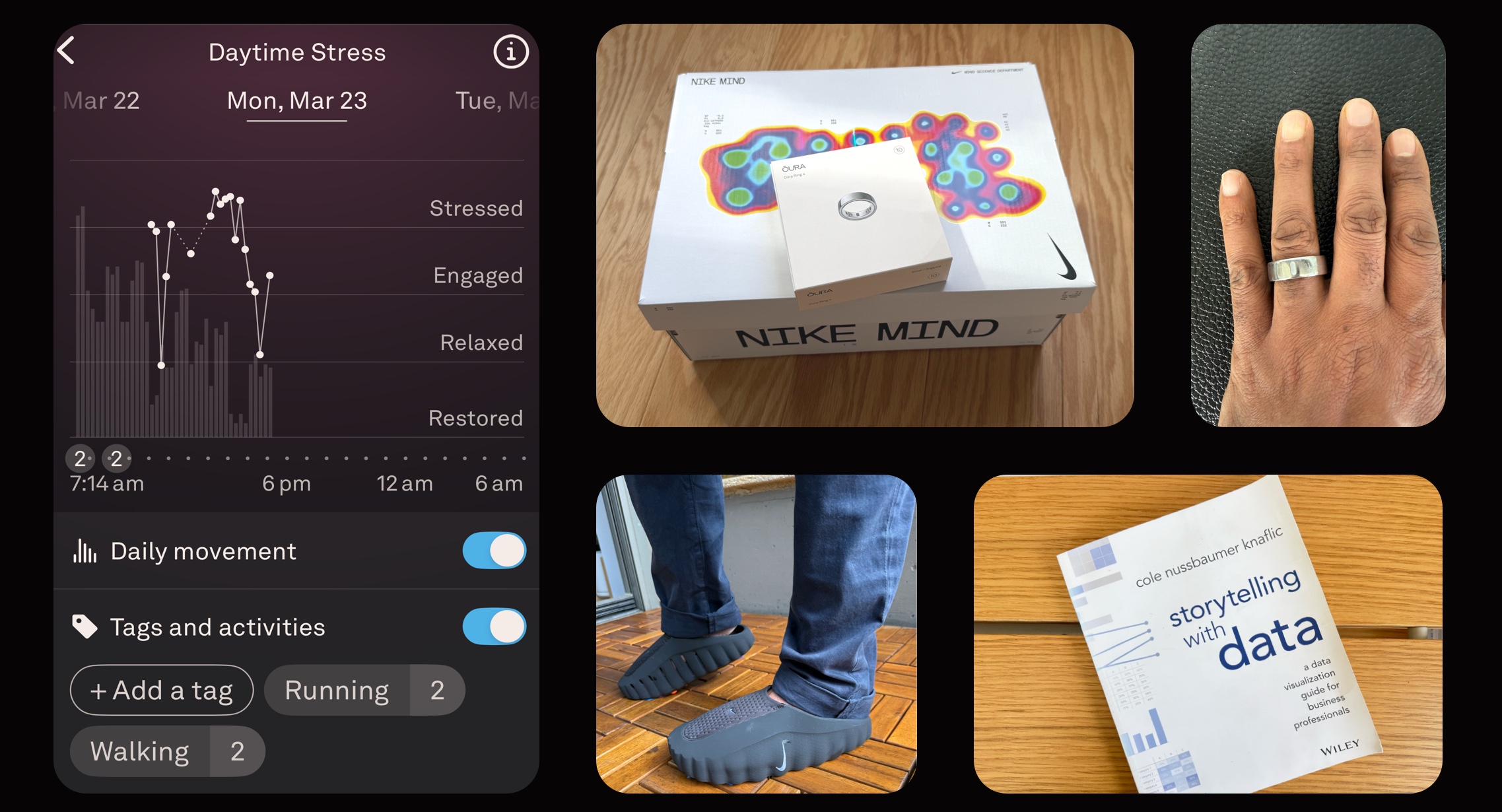
My goal initially was to anecdotally test the claims that the shoes help you relax and recover. Along the way an idea began to emerge for an actual system design that could leverage another popular science embedded consumer product. The Oura ring 4, my current biometric tracker of choice uses algorithms to report stress, readiness and other indicators of recovery post workout. Why not use one to help validate the other. I'd take four weeks of baseline stress data collected via the Oura ring, then compare four weeks of data wearing the Nike Mind 001 slides post-workout.
Experimentation Storytelling With Data

Where experiments make observations and collect evidence, stories can turn that same data into an experience. Design brings context, hierarchy, discovery and even wonder to the data. Transforming it into something functional, useful and desirable. I experimented with my Oura Ring + Nike Mind system as a functional, personal dashboard to visualize and validate the usefulness of both products on my personal well-being.

Oura Ring 4 · Biometric Snapshot
Oura Ring 4 + Nike Mind 001
Readiness
Sleep
Activity
Heart Rate — 24h
bpm resting
HRV — 7-Day Trend
ms avg
Readiness Contributors
Stress — Last 7 Days
Sleep Architecture — Last Night
Stress Response — Nike Mind 001 Impact
Without Nike Mind 001
With Nike Mind 001
Stress ratio · high stress / total

Prototyping

On the Nike Mind website there are no suggested ways for an athlete or regular consumer of the product to verify the neurological benefits. You’ll just have to take their word for it. This creates a design opportunity. Starting with the Oura ring which offers a useful developer API to access and analyze your data.

Stress Data Query
Daily stress data queried from the Oura Ring 4 API across two 14-day windows — a baseline period without intervention and a second period wearing the Nike Mind 001 slides post-workout. Each day returns total time in high-stress vs. active recovery states.
GET https://api.ouraring.com/v2/usercollection/daily_stress
  ?start_date=2026-03-03
  &end_date=2026-03-30

# Authorization: Bearer {access_token}
# Scopes required: daily · stress
Response Structure
Each record returns the number of seconds spent in high-stress and high-recovery states. The ratio of stress to total active time is the single normalized metric used across all visualizations.
{
  "data": [
    {
      "day":            "2026-03-08",  // baseline · workout day
      "stress_high":    16200,  // seconds
      "recovery_high":  6300,
      "workout":        true    // run logged
    },
    {
      "day":            "2026-03-22",  // with Mind 001 · same workout
      "stress_high":    7200,
      "recovery_high":  14400
    }
  ]
}
Comparative Analysis
Stress ratio is calculated daily for both periods. The aggregate shift between baseline and intervention surfaces whether the Nike Mind 001’s claimed neurological and recovery benefits manifest as measurable physiological change.
# Daily stress ratio — normalized 0.0 → 1.0
stress_ratio = stress_high / (stress_high + recovery_high)

# Baseline  · Mar 03 – Mar 16 · without Nike Mind 001
avg_without = 0.71  # high sustained stress load · workout days no different

# Intervention · Mar 17 – Mar 30 · with Nike Mind 001 post-workout
avg_with    = 0.38  # measurable recovery shift · workout days led recovery

# Δ reduction
delta       = -46%  # lower stress ratio across 14-day window

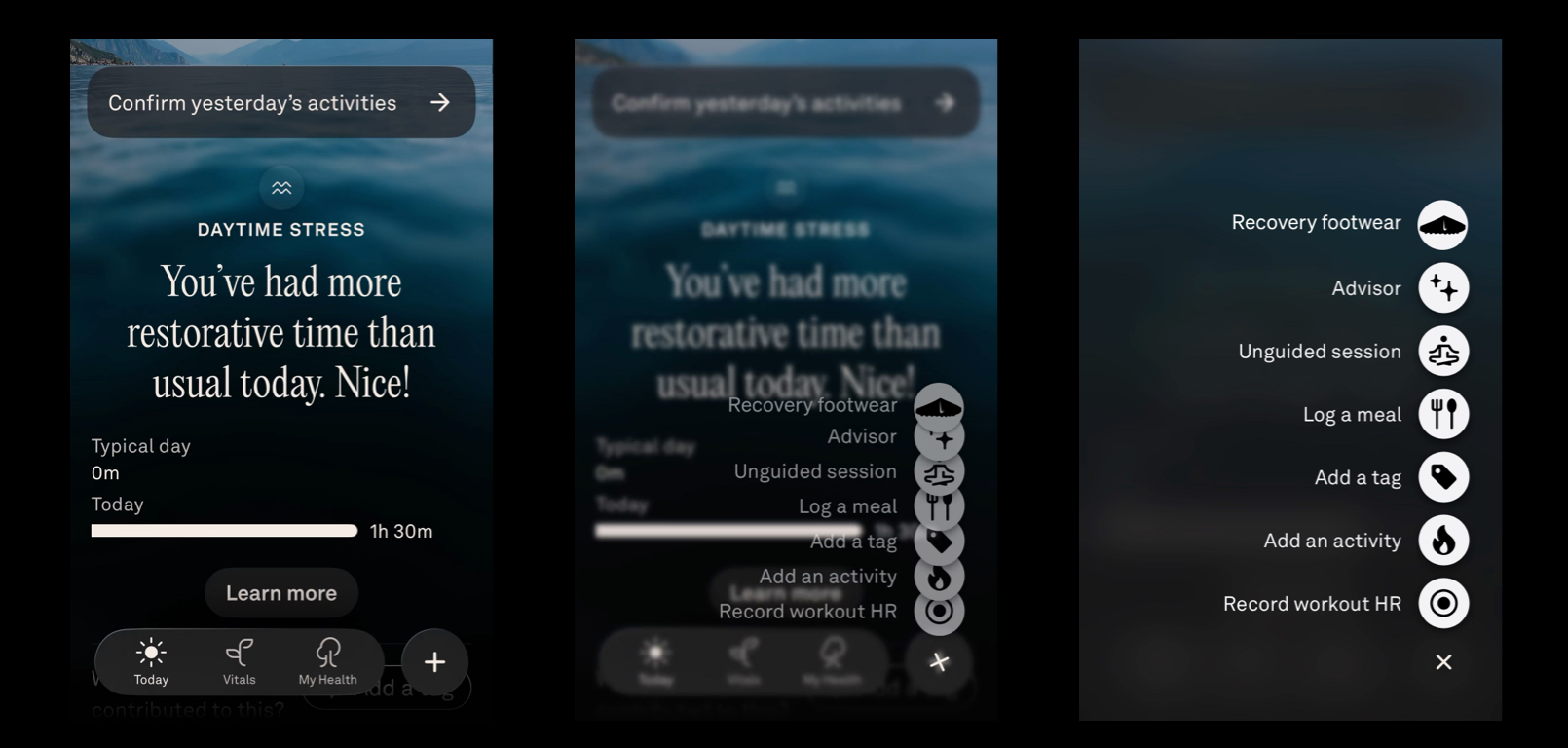
With data in hand there’s two prototyping approaches that can be explored. The first is a simple integration of recovery footwear as a feature within the Oura mobile app. Similar to tracking activities, workouts and meals, a user would indicate when recovery footwear is being worn to enable the comparative analysis.

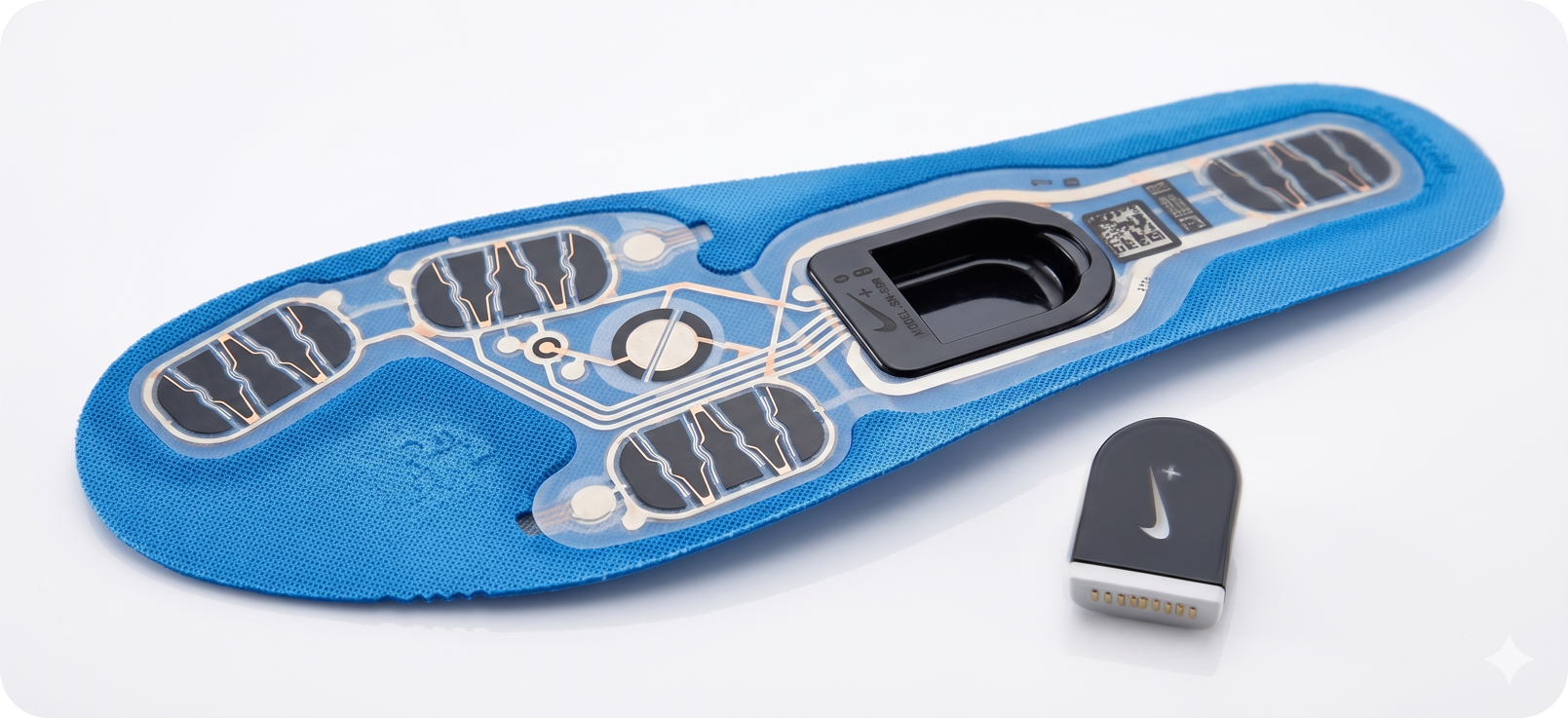
The second prototyping approach is more complex and would consist of insole sensors incorporated into the recovery footwear to pair seamlessly with the Oura ring mobile app. Anytime the user walks around in their Mind slides data would be collected. Nike has experimented with insole sensors over a decade ago and the technology would be thinner and smarter today.

← Back to Projects